FinancingMake a Payment801-774-0770

Sedation Options for Oral Surgery: What Are Your Choices?

July 8, 2025

If you are scheduled for an upcoming dental or oral surgery procedure that requires the use of sedation, you have a few different options available. Which is right for you, given the procedure in question and a few other basic factors?

At Hillfield Pediatric & Family Dentistry, we offer a number of advanced dental procedures for patients around Layton, including several oral surgeon services that require sedation for the patient. Here are some of the options out there when it comes to dental sedation, plus who qualifies for each type, the pros and cons of each method, and how to prepare for sedation within each method.

Nitrous Oxide

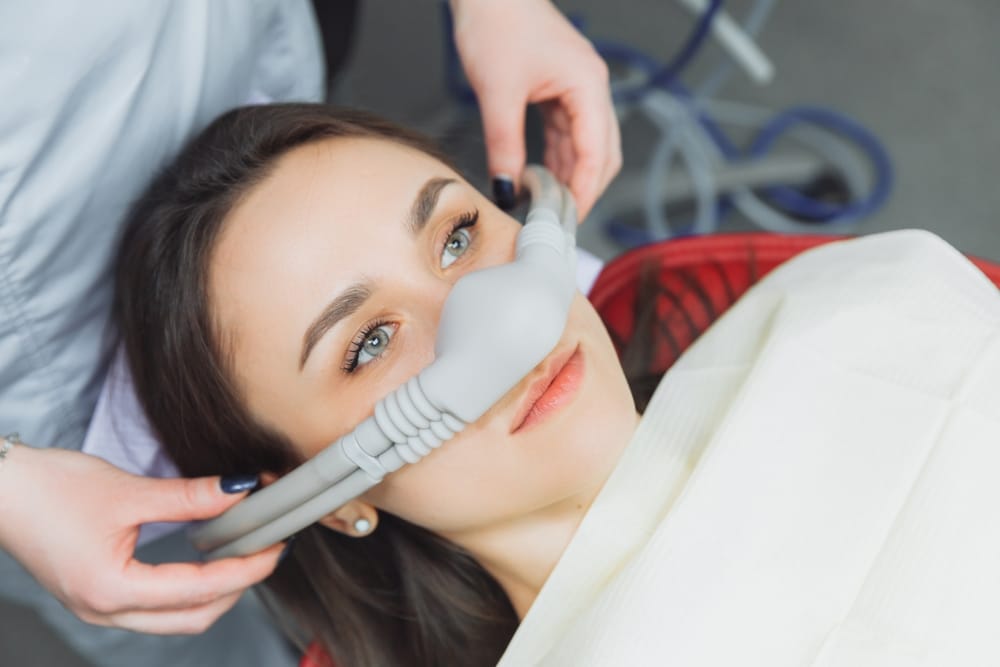
One of the most well-known and commonly used forms of dental sedation is nitrous oxide, also known as laughing gas. It’s a minimal form of sedation that allows you to stay conscious throughout the process, with just enough sedation to keep you relaxed and calm.

Nitrous oxide is administered through a mask placed over your nose, and the effects wear off quickly once the gas is turned off. It’s considered a safe option for most people, including children, pregnant women, and those with medical conditions.

Who qualifies?

  • Patients who experience mild to moderate dental anxiety
  • Children who may have trouble sitting still during a procedure
  • Pregnant women in their second or third trimester
  • Individuals with certain medical conditions that would make other forms of sedation risky

Pros:

  • Quick onset and recovery time
  • Can be adjusted throughout the procedure
  • Safe for most patients

Cons:

  • May not provide enough sedation for severe dental anxiety
  • May not be suitable for very young children or patients with certain medical conditions
  • Requires careful monitoring by a trained professional

Oral Sedation

Another common form of sedation used in dentistry is oral sedation. This involves taking a prescribed medication in pill or liquid form prior to the dental procedure. The medication typically belongs to the benzodiazepine family and can have varying levels of sedative effects, from mild relaxation to complete unconsciousness.

Who qualifies:

  • Patients with mild to moderate dental anxiety
  • Patients undergoing longer or more complex procedures
  • Not suitable for patients with a history of substance abuse or certain medical conditions such as sleep apnea

Pros:

  • Can be taken at home before the appointment
  • Less invasive than IV sedation
  • Suitable for patients with mild to moderate dental anxiety

Cons:

  • Longer onset time compared to IV sedation
  • Recovery time may take longer as well
  • May not provide enough sedation for severe dental anxiety

IV Sedation

Moving up the spectrum, IV sedation involves delivering the sedative medication directly into the bloodstream through a vein. This method allows for deeper and more consistent sedation levels, making it ideal for longer and more complex procedures.

Who qualifies:

  • Suitable for patients with severe dental anxiety as well as those undergoing extensive dental work
  • Helps to reduce fear and panic during treatment

Pros:

  • Provides a deeper level of sedation compared to oral sedation
  • Can be easily adjusted by the dentist throughout the procedure
  • Allows for quicker recovery time after the procedure is complete

Cons:

  • Requires a needle injection, which may cause discomfort for some patients
  • Patients must have someone available to drive them home after the procedure due to potential drowsiness or grogginess

General Anesthesia

At the highest end of the spectrum is general anesthesia, where patients are rendered completely unconscious and do not experience any pain or awareness during the procedure.

Who qualifies:

  • Patients undergoing major surgeries
  • Those with severe medical conditions

Pros:

  • Completely painless and unaware during the procedure

Cons:

  • Requires intubation, which can lead to sore throat or hoarseness after the procedure
  • Longer recovery time due to the effects of general anesthesia on the body

Preparing for Sedation

Your preparation needs for each of these forms of dental sedation will vary, both in terms of the sedation format itself and how you approach the procedure overall. Your dental practitioner will discuss any specific steps you need to take for each type of anesthesia, but in general, you should be advised to do the following:

  • Make sure your dentist is aware of any medical conditions or medications you currently take
  • Ask about eating and drinking restrictions before the procedure
  • Arrange for transportation home after the procedure, as you will not be able to drive yourself

Additionally, it's important to plan for proper recovery time after receiving sedation. This may include taking time off work or arranging childcare if needed.

At Hillfield Pediatric & Family Dentistry, we're happy to detail your dental sedation options for any procedure you're undergoing. Contact us today for this or other dental services around Layton!

Hillfield Pediatric & Family Dentistry knows the importance of having healthy and beautiful teeth, which is why we provide exceptional dental care that you can rely on
Copyright © 2021 Hillfield Pediatric & Family Dentistry
crossmenuchevron-downarrow-up linkedin facebook pinterest youtube rss twitter instagram facebook-blank rss-blank linkedin-blank pinterest youtube twitter instagram