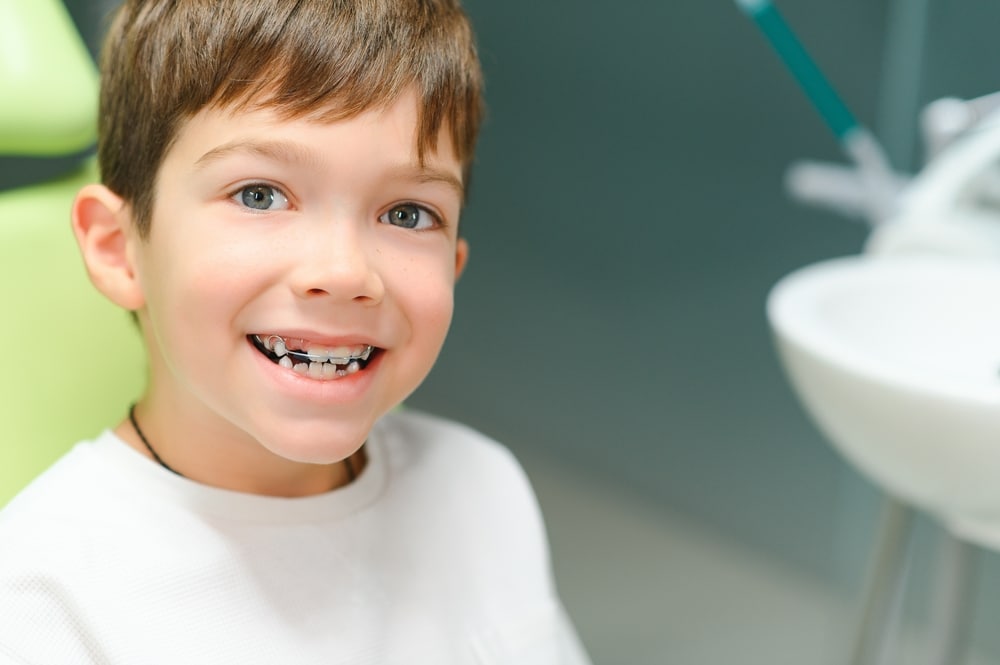
As parents, we closely watch every milestone our children reach, from their first steps to their first lost tooth. However, it can be much harder to spot the subtle changes happening beneath the surface of their growing smiles. Many structural alignment and bite concerns begin developing long before all the permanent teeth have erupted. Recognizing these subtle shifts early can make a significant difference in your child's long-term oral health and development, particularly when it comes to identifying a need for orthodontics (braces).
Understanding what to look for allows you to take a proactive approach to your child's dental care. If you notice any unusual shifting, scheduling a consultation for kids orthodontics at Hillfield Pediatric & Family Dentistry in Layton, Utah is an excellent next step. Navigating these early changes ensures your child's smile stays healthy, aligned, and vibrant. Here are some basics on what parents should know about the early signs that orthodontics might be ideal for your child.
Many parents assume that structural alignment issues only become apparent once a child reaches their teenage years. In reality, several indicators can surface while your child still has a mix of primary and permanent teeth. Catching these early orthodontic signs in children allows for simpler, gentler interventions before the facial bones finish growing. Here are the most frequent structural indicators that your child might benefit from an expert evaluation:
The American Association of Orthodontists recommends that children receive their first professional alignment evaluation around the age of seven. By this stage, your child has a mix of baby teeth and adult teeth, which gives the dentist an accurate blueprint of how the jaw and bite are developing. This specific timeframe allows providers to spot subtle structural problems even if the teeth appear perfectly straight to the untrained eye.
Choosing this window for an evaluation does not automatically mean your child will get braces right away. Most of the time, this visit simply serves as a baseline to monitor growth and plan for the ideal treatment window. Waiting until the teenage years can limit treatment options because the jaw bones have already fused and finished growing.
Addressing structural issues early can prevent more severe jaw alignment problems from developing in the future. When a professional guides the growth of the jaw bones, they can create adequate space for incoming permanent teeth. This timely guidance helps avoid the need for tooth extractions or complex surgical procedures later in life. Investing time in early detection provides a smoother, more predictable path to a healthy smile.
Proactive care also minimizes the overall time and money spent on orthodontic treatments down the road. Correcting a narrow jaw or an underbite is much easier when a child is actively growing. Neglecting these early indicators often leads to complex, lengthy treatments during adolescence or adulthood.
You do not need professional training to notice basic functional patterns that might indicate a need for alignment care. Observing your child during regular daily activities like eating, speaking, and resting can provide valuable clues about their development. Being mindful of these everyday habits helps you determine when it is time to seek professional guidance. Watch for these simple, actionable indicators during your normal family routines.
If you observe any of these patterns, it is a great time to seek professional reassurance. The dedicated team at Hillfield Pediatric & Family Dentistry in Layton, Utah is here to guide your family through every stage of oral development. Scheduling a timely evaluation for kids orthodontics ensures your child enjoys a functional, beautiful smile for a lifetime.